KAMPALA, Uganda
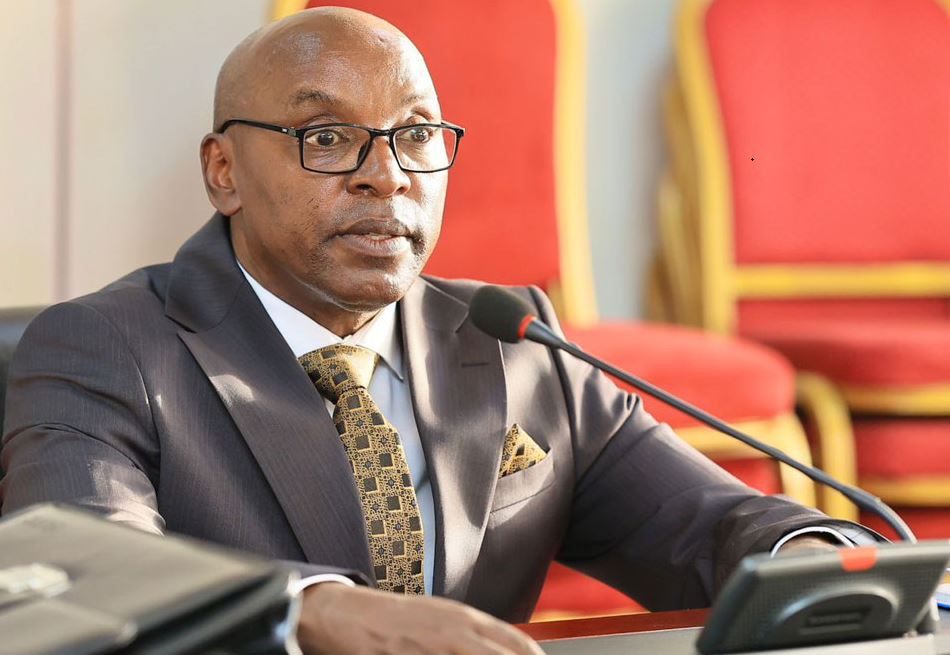
Chief Justice Dr. Flavian Zeija has attributed the persistent delays in court proceedings across Uganda to inadequate funding within the judiciary, revealing a significant shortage of High Court judges currently affecting the administration of justice.
Speaking on the state of the judiciary, the Chief Justice noted that only 88 High Court judges are currently serving nationwide, far below the required 150 judges, a gap he said is contributing to case backlogs and delayed trials.
The remarks were reported and attributed to proceedings in which the Chief Justice addressed concerns over judicial efficiency and access to timely justice.
Dr. Zeija emphasized that the judiciary continues to operate under financial constraints that limit its ability to recruit adequate judicial officers, expand court infrastructure, and efficiently process cases.
He stated that the shortage of High Court judges has placed a heavy burden on the existing judicial officers, many of whom are required to handle large caseloads across different jurisdictions.
According to the Chief Justice, these staffing gaps have directly contributed to delays in hearing and concluding cases, affecting both criminal and civil justice delivery.
The impact of the shortage is most evident in High Court circuits across the country, where pending cases continue to accumulate. The High Court, which handles serious criminal offenses, major civil disputes, and constitutional matters, is a critical component of Uganda’s judicial system.
With fewer judges than required, court sessions are often congested, leading to adjournments, longer waiting times for trial dates, and increased pressure on judicial officers.
The judiciary plays a central role in upholding the rule of law, protecting rights, and resolving disputes. A shortage of judges can slow down the entire justice system, potentially affecting public confidence in legal processes.
Legal analysts have previously warned that delayed justice can undermine both criminal accountability and civil dispute resolution, as litigants may wait years before their cases are concluded.
According to the Chief Justice, inadequate funding remains one of the major obstacles facing judicial reforms. Limited resources affect recruitment, training, court operations, and infrastructure development.
The judiciary relies on government budget allocations to expand staffing and improve service delivery. However, competing national priorities often constrain the pace at which reforms and expansions can be implemented.
Chief Justice’s remarks highlight ongoing calls for increased investment in the justice sector to bridge staffing gaps and improve efficiency. Expanding the number of High Court judges to meet the required threshold of 150 is seen as a key step toward reducing case backlogs.
As Uganda’s justice system continues to face pressure from rising case volumes, stakeholders are expected to push for reforms aimed at strengthening judicial capacity and ensuring timely access to justice for all citizens.
Also Read: Ousmane Sonko Elected Senegal’s Parliamentary Speaker