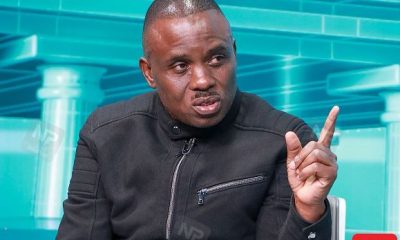
Popular TikTok content creator Benson Muyingo, widely known by his handle Benson Pro UG, has been charged with spreading malicious information against a top Ugandan security official.
Muyingo was arraigned before the Buganda Road Chief Magistrate’s Court in Kampala on and remanded to Luzira Prison until August 12, 2025.
The case has quickly sparked national attention, as it blends high-profile state security interests, online expression, and concerns about digital freedoms in Uganda’s increasingly watched cyberspace.
According to court documents, Muyingo is accused of using a computer to spread malicious information under Uganda’s Computer Misuse Act. The allegations stem from a TikTok video he published earlier this month, in which he allegedly implicated Mr. Joseph Ocwet, the Director General of Uganda’s External Security Organisation (ESO), in a land-grabbing incident in Kasenyi Bendegere, a peri-urban settlement in Wakiso District.
The Directorate of Public Prosecutions (DPP) claims the content in Muyingo’s video had no factual basis and was intended to tarnish the image and reputation of a senior government official.
Muyingo appeared in court without legal counsel but pleaded not guilty to the charges. His bail application was, however, denied not because of the severity of the charges but due to the absence of the State Attorney, who failed to appear for the session.
Chief Magistrate Ronald Kayizzi ruled that the bail hearing could not proceed in the absence of the prosecution and ordered Muyingo to be remanded to Luzira Prison until his next appearance on August 12, 2025.
Muyingo’s video touched on ongoing land tensions in Kasenyi Bendegere, an area that has seen growing reports of evictions, conflicting land titles, and alleged military-backed takeovers.
While authorities have not confirmed any investigation involving Ocwet, residents in Kasenyi have repeatedly raised alarms over what they describe as well-connected individuals using security influence to forcibly acquire land. These cases rarely make it to court, and those who speak out often fear retaliation.
Muyingo, in his viral TikTok video (which has since been taken down), referenced residents’ claims, using mocking and dramatized narration, a style typical of his content. However, prosecutors argue that he presented allegations as facts, violating the boundaries of responsible communication.
Muyingo’s case echoes a growing trend in Uganda where online personalities and activists face legal consequences for content critical of government officials.
Uganda’s Computer Misuse Act (Amended 2022) has been widely criticised by civil society and international digital rights groups for broad and vague provisions. It criminalises offensive communication, misuse of social media, and cyber harassment, among other vaguely defined offenses.
Human Rights Watch, in its 2023 report, warned that the law was being used to silence dissent and suppress freedom of expression online.
“You can’t criminalise every citizen who talks about public land. This is bigger than Benson, this is about shrinking digital space,” said digital activist Diana Nabukeera, from the Unwanted Witness Uganda group.
Others believe that creators must be held accountable for what they post, especially when naming individuals and security officials.
“Freedom of speech is not freedom to defame. There must be a balance,” said legal analyst Daniel Wamala on a UBC morning segment.
Muyingo joins a growing list of Ugandans prosecuted under the Computer Misuse Act like in 2022, author and activist Kakwenza Rukirabashaija was arrested for insulting President Museveni and his son Gen. Muhoozi on Twitter.
Comedian Reign Omusoyisoyi was summoned in 2023 for a skit referencing the army in a satirical tone, in 2024, TikTok influencer Queen Judith was briefly detained over videos alleging corruption in the Office of the Prime Minister.
Legal experts have warned that without clear definitions and protection for whistleblowing and satire; social media content creators will continue to face legal uncertainty.
Muyingo’s legal team has yet to speak publicly, but a bail re-application is expected at the next court appearance. Meanwhile, human rights lawyers are pushing for judicial review of his continued detention in absence of trial.
As 2026 elections near, digital spaces are becoming increasingly important for political engagement, dissent, and satire. Benson Pro UG’s case may set an important precedent in defining what boundaries Ugandan law allows for online speech, especially regarding powerful state officials.
Also read: Fuel Price Hike Triggers Deadly Protests in Angola