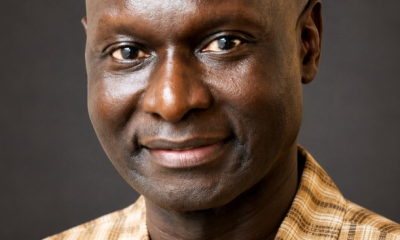
Kampala, Uganda – Justice Simon Mugenyi Byabakama, Chairperson of the Electoral Commission (EC), has unveiled a set of new reforms in the nomination process for political aspirants, signaling a push for greater transparency, efficiency, and credibility in Uganda’s electoral landscape.
The announcement, made during a media briefing at the EC headquarters in Kampala, comes amid heightened political activity, internal party primaries, and growing public scrutiny of Uganda’s election management systems.
“We are committed to streamlining the nomination process to ensure fairness, consistency, and timely participation across all political levels,” said Justice Byabakama.
According to the EC Chairperson, the new reforms cover multiple stages of the nomination cycle form acquisition to submission and verification.
For the first time, the EC will issue standardized nomination forms at least six months before the official nomination week for each elective office. This move is meant to avoid the last-minute confusion and crowding that have previously marred the process.
“Political aspirants will now have adequate time to fill, verify, and submit their forms which helps reduce errors and disqualifications,” said Byabakama.
All forms will also be digitally accessible via the EC website, with QR code tracking to improve submission traceability.
To decentralize and decongest EC headquarters and district offices, regional nomination centers will be set up in major sub-regions including Northern, Eastern, Western, and Central Uganda.
This change is particularly welcomed by political actors in rural constituencies, who have often faced challenges travelling long distances to EC offices for registration and document clearance.
Aspirants’ preliminary credentials will now be publicly displayed online and at local offices during a mandatory vetting window, allowing the public and interested parties to scrutinize qualifications, citizenship, and academic credentials before final nominations are confirmed.
“Transparency is not negotiable. The public must have a chance to raise concerns or objections ahead of the final nominations,” Byabakama emphasized.
The reforms follow public criticism of past nomination processes, particularly in 2021, when delays, irregularities, and alleged political interference affected several aspirants, especially opposition candidates.
High-profile cases such last-minute disqualification of NUP aspirants over academic verification issues, conflicting information between district EC offices and national databases, and the alleged blocking of independent candidates by party pressure groups all fueled public distrust in the integrity of the nomination process.
Byabakama acknowledged these incidents and emphasized that the EC is learning from past mistakes.
Initial reactions from major political parties have been mixed but cautiously optimistic. National Resistance Movement (NRM) Deputy Secretary-General Rose Namayanja said:
“We support any move that makes the electoral process more transparent, but we need assurance that rural constituencies will not be disadvantaged.”
National Unity Platform (NUP) spokesperson Joel Ssenyonyi welcomed the reforms but called for independent oversight, saying:
“What matters most is not just the process, but how fairly and impartially it is implemented.”
Forum for Democratic Change (FDC) noted that while the reforms are a good start, timelines must be respected, and the EC must avoid last-minute adjustments often seen in past elections.
Byabakama said this innovation would help cut down on manual bottlenecks, corruption allegations, and long queues, though he also acknowledged the digital divide that may affect rural candidates.
“The digital tools will complement, not replace, the manual systems. Every aspirant will be catered for,” he clarified.
With the nomination reforms rolled out, the EC has now shifted its focus to voter register updates, boundary verifications, and political party liaison engagements in the lead-up to the 2026 General Elections.
Justice Byabakama concluded the briefing with a call for civic responsibility, urging all aspirants and voters to engage peacefully and lawfully with the process.
“Democracy is a shared responsibility. The EC will do its part, but citizens, parties, and institutions must uphold the values of accountability and participation.”
The Electoral Commission’s nomination reforms come at a crucial time in Uganda’s electoral journey. As trust in public institutions faces renewed tests, these changes are aimed at restoring confidence and reducing disputes especially among first-time aspirants, youth candidates, and marginalized regions.
Also read: Archbishop Kaziimba Unveils Pension Scheme for Retired Clergy