Kampala, Uganda
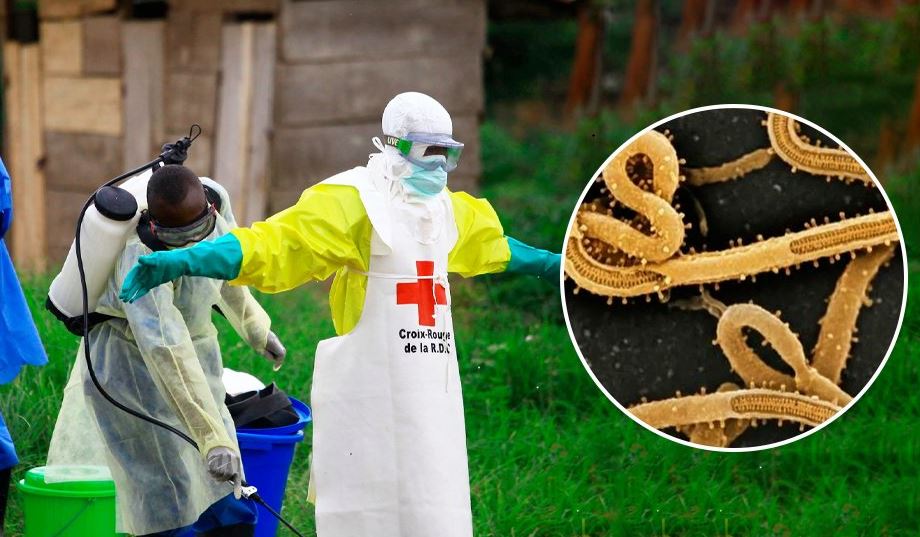
Uganda has confirmed two Ebola infections, including one death. Health authorities in the Democratic Republic of Congo (DRC) have confirmed new Ebola cases in the country’s eastern region raising concerns across the Great Lakes region.
The developments have prompted emergency public health measures in both countries amid fears of cross-border transmission in one of Africa’s most active epidemic zones.
Officials in the Democratic Republic of Congo say the latest Ebola outbreak has been detected in the country’s eastern provinces, an area that has previously experienced repeated Ebola epidemics due to population movement, insecurity, and weak healthcare infrastructure.
Congolese health authorities, working alongside the World Health Organization (WHO) and international health partners, have begun intensified surveillance, contact tracing, isolation procedures, and public awareness campaigns in affected communities.
While officials have not yet released complete figures regarding the total number of infections linked to the current outbreak, health agencies say response teams are actively monitoring suspected cases and identifying contacts of infected individuals.
Eastern Congo has experienced several Ebola outbreaks over the past decade, particularly in provinces bordering Uganda.
Ugandan authorities have confirmed two Ebola cases linked to the regional outbreak, including one fatality, according to health officials.
The Ministry of Health said emergency response systems have been activated to contain the virus and prevent wider community transmission.
Uganda shares a long and porous border with the Democratic Republic of Congo, making cross-border disease control particularly challenging.
Health authorities have not publicly disclosed detailed personal information about the confirmed cases but say investigations and contact tracing efforts are ongoing.
Ebola Virus Disease (EVD) is a severe and often fatal illness caused by infection with the Ebola virus. The disease spreads through direct contact with bodily fluids of infected individuals or contaminated materials.
According to the World Health Organization, Ebola outbreaks can have fatality rates ranging from 25% to 90% depending on the virus strain and the speed of medical intervention.
Uganda’s government has previously dealt with multiple Ebola outbreaks and has developed extensive emergency response systems over the years.
The government has also urged the public to report suspected symptoms immediately and avoid direct contact with infected individuals.
The latest Ebola concerns recently prompted President Yoweri Museveni to postpone Uganda’s annual Martyrs’ Day celebrations, citing the risk posed by thousands of pilgrims who travel from eastern Congo to Uganda every year.
The World Health Organization and regional health agencies are supporting both Uganda and the DRC in outbreak containment efforts.
WHO has repeatedly warned that conflict, displacement, and weak health systems in eastern Congo make Ebola containment especially difficult.
The renewed Ebola outbreak highlights ongoing public health vulnerabilities in Central and East Africa, where cross-border mobility and fragile healthcare systems continue to complicate epidemic response efforts.
Public health experts say early detection, rapid isolation of cases, and public cooperation remain critical to preventing a wider regional outbreak.
Authorities in both Uganda and the DRC continue to urge citizens to remain vigilant, follow official health guidance, and seek medical attention immediately if symptoms appear.