KAMPALA, Uganda
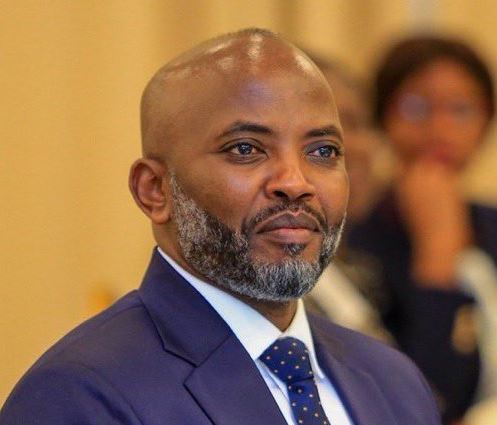
The controversy surrounding ministerial nominee Dr. Lawrence Muganga’s citizenship status has intensified after documents circulated online appeared to show his declaration renouncing Rwandan citizenship, even as political figures questioned whether the process followed meets legal requirements under Rwandan law.
The debate resurfaced following Parliament’s scrutiny of Muganga’s eligibility for public office amid concerns over dual and multiple citizenship status during the ongoing vetting of ministerial appointees.
Documents shared online, purportedly filed through the Uganda Registration Services Bureau (URSB), show a statutory declaration in which Muganga states that he was born in Mukono District, moved to Rwanda after completing university studies in Uganda, later acquired Rwandan citizenship for employment purposes, and eventually relocated to Canada for further studies.
In the declaration, Muganga states that he obtained Rwandan national identification documents and a passport while living and working in Rwanda, where he reportedly worked with institutions including the Rwanda Revenue Authority, public sector capacity-building programs, and the Rwanda Institute of Administration and Management.
The documents further indicate that Muganga returned to Uganda in 2019, where he says he permanently resettled and resumed full allegiance to Uganda.
One of the most contested sections of the declaration states that Muganga voluntarily renounced his Rwandan citizenship and surrendered both his passport and national identity card to Rwandan authorities. The declaration also states that his Rwandan passport expired in 2014.
However, critics have questioned whether the declaration itself constitutes legal renunciation under Rwandan procedures.
Igara East Member of Parliament Daudi Kabanda publicly challenged the process, arguing that renouncing Rwandan citizenship requires a formal application to Rwanda’s immigration authorities, approval through official channels, issuance of a renunciation certificate, and publication in the official gazette.
Kabanda alleged that the process described in the declaration may not satisfy the legal threshold required for formal renunciation, although no official statement from Rwandan authorities had publicly confirmed or rejected Muganga’s status at the time of reporting.
The renewed controversy comes after Parliament’s Appointments Committee reportedly rejected Muganga’s nomination, with concerns centered on citizenship status and whether he had sufficiently demonstrated compliance with legal requirements for senior public office.
The issue has evolved beyond one nominee and into a broader national debate about dual citizenship, legal interpretation, and eligibility for high-ranking offices.
Political observers say the dispute highlights unresolved questions around how citizenship laws are applied in cross-border and diaspora contexts, especially for Ugandans who have lived, studied, or worked abroad.
Also Read: NEMA Dismisses Demolition Claims In Busabala Wetland