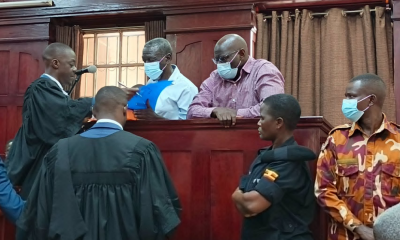
KAMPALA, Uganda – Proceedings in the trial of former Kyambogo University Guild President Benjamin Akiso were briefly halted after the Kanyanya-Kawempe Chief Magistrate’s Court ordered prosecutors to produce CCTV footage they say links him to a protest earlier this year.
The court also directed journalists to leave the courtroom as the prosecution prepared to present the evidence, before adjourning the proceedings for 30 minutes.
The CCTV footage has become a key piece of evidence in the case, with the prosecution arguing that it captured Akiso participating in a demonstration following Uganda’s 2026 general elections.
During the hearing, Superintendent of Police David Wills Ndaula, appearing as a state witness, told the court that investigators identified Akiso and several other protesters through CCTV recordings.
According to Ndaula, the footage forms part of the prosecution’s evidence linking the former student leader to the protest.
The magistrate subsequently directed the prosecution to produce the footage in court for examination before the trial could proceed.
The court’s decision to request the recordings underscores the importance of documentary and digital evidence in criminal proceedings, particularly where identification of suspects is contested.
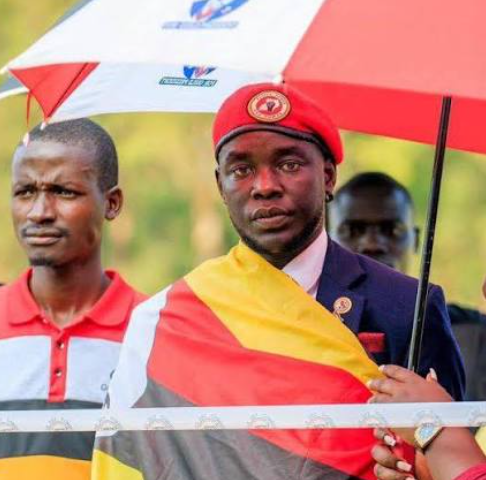
Akiso was arrested on February 2, 2026, over allegations that he participated in a protest against the conduct of Uganda’s general elections and the violence that accompanied the election campaign period.
The prosecution alleges that the demonstration contravened public order laws.
While giving evidence, SP Ndaula told the court that those who organised the protest should have notified the Inspector General of Police (IGP) before holding the demonstration.
Uganda’s Public Order Management Actrequires organisers of public meetings to notify the police in advance, although the interpretation and application of the law have been the subject of legal and constitutional debate over the years.
Proceedings took an unusual turn when the trial magistrate ordered journalists to leave the courtroom while the prosecution prepared to produce the CCTV evidence.
The reason for excluding members of the media from that portion of the proceedings was not immediately made clear in open court.
Court resumed after a 30-minute adjournment.
Akiso’s trial is among several cases arising from demonstrations linked to Uganda’s 2026 general elections.
The case also highlights the growing use of CCTV footage by investigators in criminal cases, particularly in prosecutions related to public demonstrations.
The court is expected to examine the CCTV footage presented by the prosecution before hearing further testimony from witnesses.
At this stage, the allegations against Benjamin Akiso remain before the court, and no finding of guilt has been made. He is presumed innocent unless and until proven guilty in accordance with the law.