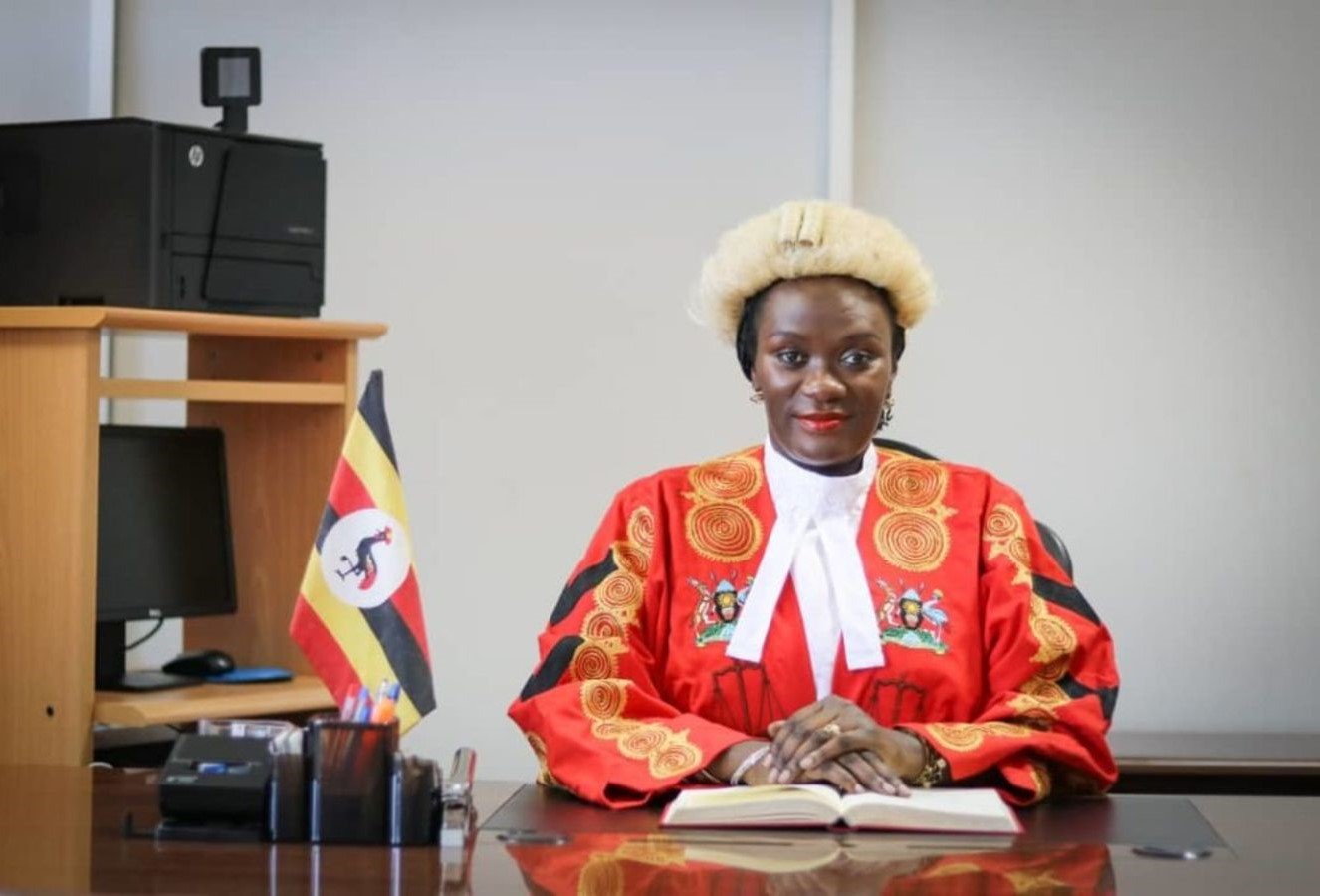
British jury has convicted Ugandan High Court Judge and United Nations official Lydia Mugambe of modern slavery charges.
The high profile ruling delivered at Oxford Crown Court found Mugambe guilty of forcing a Ugandan woman into domestic slavery under false pretenses.
The judge who had been studying at the University of Oxford now faces a significant prison sentence when she returns to court for sentencing on May 2.
Mugambe, was once heralded as a symbol of integrity and justice. However, prosecutors painted a starkly different picture in court revealing how she lured a young Ugandan woman to the UK with false promises only to exploit her as a maid and caregiver without pay.
The victim unaware of her rights was subjected to exhausting work conditions, intimidation and emotional abuse.
Prosecution lawyer Caroline Haughey detailed how Mugambe “exploited and abused” the victim ensuring she remained powerless under her control.
The case went through months of testimonies including harrowing accounts from the victim and other witnesses who described a pattern of force and deception.
The jury found Mugambe guilty on all four counts including forced labor, an immigration offense and conspiracy to intimidate a witness.
The conviction has sparked a storm of reactions both in Uganda and internationally. The Ugandan judiciary already under scrutiny for allegations of corruption and misconduct now faces an unprecedented scandal.
While some see the case as a warning that no one is above the law, others question whether Mugambe’s downfall was politically motivated.
In Uganda, there is growing pressure on the judiciary to take action. The Judicial Service Commission has yet to issue an official statement but sources suggest internal discussions are underway regarding her removal from office.
This case underscores the effectiveness of the UK’s anti-modern slavery laws which have become a cornerstone of international human rights enforcement.
Legal analysts argue that this ruling sends a strong message that wealth, power, or status cannot shield perpetrators from accountability.
The presiding UK judge delivered a scathing rebuke of Mugambe’s actions, emphasizing that her role as a legal authority made her crimes even more grievous.
Sentencing could result in a lengthy prison term significant financial penalties and potential asset seizures.
Mugambe’s legal team may attempt an appeal, but experts believe the overwhelming evidence against her makes overturning the ruling unlikely.
Her once promising career now lies in ruins and her future remains uncertain as she awaits sentencing. The case serves as a stark reminder that even those entrusted with upholding the law are not immune to its consequences.