KAMPALA, Uganda
The controversy over dual citizenship among Uganda’s ministerial nominees has deepened after Parliament’s Appointments Committee approved some candidates while others were roasted.
The debate has centered on whether individuals holding dual citizenship can serve as Cabinet Ministers or Ministers of State under Uganda’s constitutional and statutory framework, which includes restrictions on certain state offices for dual nationals.
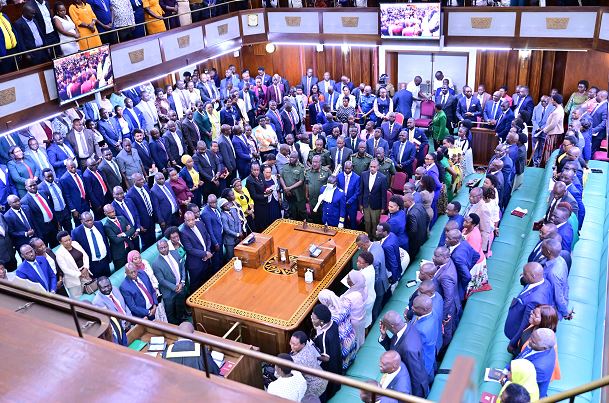
During the vetting process, several nominees including Adonia Ayebare, Calvin Echodu, and Dr. Lawrence Muganga appeared before the committee and addressed concerns regarding their citizenship status.
All three reportedly informed the committee that they were prepared to renounce their foreign citizenships in order to comply with legal requirements for ministerial appointment.
Sources from Parliament indicated that while committee members expressed skepticism over the timing and sincerity of the pledges, presiding officers maintained that each case should be assessed individually based on available documentation and legal interpretation.
The Appointments Committee subsequently approved Adonia Ayebare and Calvin Echodu with majority support, while Dr. Lawrence Muganga received minority backing, reflecting sharp divisions among lawmakers over his eligibility and the interpretation of citizenship provisions.
The Leader of Opposition, Joel Ssenyonyi, had earlier intensified the debate by calling on all dual citizens nominated to ministerial positions to either renounce their second nationality or withdraw from vetting altogether.
Speaking at Parliament to our reporter, Ssenyonyi argued that the law is clear in restricting dual citizens from holding high-ranking executive offices such as Cabinet and State Minister positions.
He further suggested that qualified individuals holding dual nationality could instead be appointed to roles that do not carry constitutional restrictions, emphasizing the need for strict adherence to legal provisions governing public office.
The controversy surrounding Dr. Muganga has been particularly prominent, with questions raised over his citizenship history and public statements on identity. He has defended his position, stating that his ethnic identity should not be confused with nationality and confirming that he previously held Ugandan and Canadian citizenship.
Legal experts remain divided on the issue. Some argue that Uganda’s Constitution permits dual citizenship in principle but restricts holders of such status from occupying specified senior government positions. Others contend that enforcement depends on whether a nominee formally renounces foreign citizenship before appointment is finalized.
Citizenship and Immigration Control Act, as amended in 2009, lists Cabinet Ministers and Ministers of State among offices that may not be held by individuals with dual citizenship unless compliance requirements are met. However, interpretation of how strictly these provisions should be applied has become a matter of political and legal debate.
The current vetting exercise has therefore evolved beyond individual appointments into a broader constitutional test of how Uganda balances diaspora inclusion, national loyalty concerns, and eligibility for public office.
Political analysts say the differing outcomes in committee decisions reflect both legal ambiguity and political considerations, with Parliament exercising discretion in determining how strictly to enforce citizenship-related restrictions.
As the vetting process concludes, attention is now shifting to whether the approved nominees will complete formal denial procedures and whether any legal challenges will be filed to contest the committee’s decisions.
The developments are expected to shape future interpretation of Uganda’s citizenship laws and may set a precedent for how dual nationality is treated in relation to senior government appointments.
Also Read: Ethiopia prepares for landmark post-conflict general elections