The Uganda AIDS Commission (UAC), in collaboration with its partners, has proposed a UGX 300 billion budget increase to strengthen the country’s fight against HIV/AIDS.
The request comes amid growing concerns over funding gaps that threaten progress in prevention, treatment, and care services.
Uganda has long been recognized for its aggressive response to the HIV/AIDS epidemic with significant strides made in reducing prevalence rates and increasing access to antiretroviral therapy (ART).
However, officials warn that without increased financial support, the country risks reversing these gains.
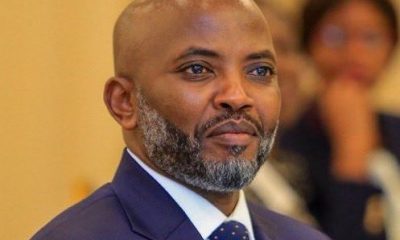
Dr. Nelson Musoba, the Director General of UAC, emphasized the importance of sustained investment in HIV programs.
“We have made remarkable progress, but we are not yet at zero infections. The demand for services is growing, and we need additional resources to ensure that no Ugandan is left behind in accessing HIV prevention and treatment,” he said.
The proposed budget increase will support initiatives such as expanding ART coverage, strengthening community based prevention programs, enhancing HIV testing services, and addressing emerging challenges like drug resistance.
Despite Uganda’s efforts, the country still records approximately 1,000 new HIV infections weekly, with young people and key populations at higher risk and hallenges such as limited access to condoms, stigma, and gender-based violence continue to fuel the epidemic.
The requested funds would also boost programs targeting vulnerable groups, including adolescent girls, sex workers, and men who have sex with men (MSM) populations often marginalized in mainstream health interventions.
Furthermore, UAC highlights that international donor support has declined in recent years, making it imperative for Uganda to increase domestic financing.
The reliance on external funding, particularly from the Global Fund and PEPFAR, has raised concerns about sustainability should donor priorities shift.
The proposal has been tabled before the Ministry of Finance with UAC urging Parliament to prioritize HIV/AIDS funding in the next financial year.
Civil society organizations have also backed the request, warning that underfunding could lead to ARV stockouts, increased HIV-related deaths, and a surge in new infections.
Health Minister Dr. Jane Ruth Aceng has expressed the government’s commitment to the fight against HIV/AIDS but acknowledged financial constraints.
“We must ensure that our health systems are resilient. We are working on strategies to integrate HIV services into broader healthcare financing to guarantee sustainability,” she stated.
With Uganda aiming to achieve global HIV targets of 95-95-95 where 95% of people living with HIV know their status, 95% of those diagnosed receive treatment, and 95% on treatment achieve viral suppression, this budget increase could determine the country’s ability to meet its 2030 goal of ending AIDS as a public health threat.