HARARE, Zimbabwe
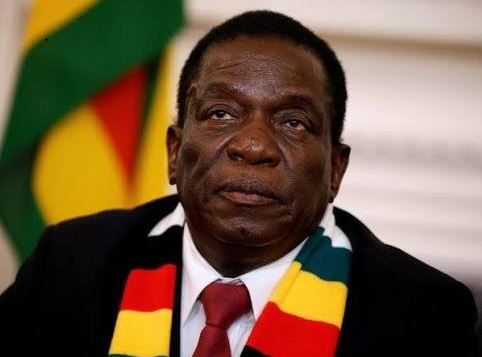
Zimbabwe’s lower house of Parliament has passed a bill that extends presidential and parliamentary terms from five to seven years and could allow President Emmerson Mnangagwa to remain in office until 2030.
The constitutional amendment, approved, also removes the provision for direct presidential elections, shifting the responsibility of choosing future presidents to Parliament.
According to parliamentary results announced by Speaker Jacob Mudenda, a total of 216 lawmakers voted in favour of the bill, surpassing the required two-thirds majority threshold of 187 votes needed to amend the constitution. Forty-two MPs voted against the proposal.
The bill now moves to the Senate, where it is widely expected to pass before being signed into law by the President.
The proposed amendments introduce significant changes to Zimbabwe’s political system, including extension of presidential and parliamentary terms from five to seven years, scrapping of direct presidential elections and introduction of a system where Parliament elects the president
If enacted, the changes would allow President Mnangagwa whose current term is set to end in 2028 to remain in office until 2030.
Mnangagwa, 83, came to power in 2017 following the military-backed removal of long-time leader Robert Mugabe. He later won disputed elections in 2018 and 2023.
His Zanu-PF party, which has governed Zimbabwe since independence in 1980, has led the push for the constitutional changes. The proposal received Cabinet approval earlier in the year.
Opposition parties, civil society organisations, and constitutional lawyers have strongly opposed the amendments, arguing that such far-reaching changes should be subjected to a national referendum rather than parliamentary approval alone.
Zimbabwe’s 2013 Constitution limits a president to two terms and states that any extension should be approved by voters through a referendum process.
Despite these concerns, the Constitutional Court recently dismissed a legal challenge aimed at blocking the bill, clearing the way for parliamentary approval.
The reforms have intensified debate over Zimbabwe’s democratic path, with critics warning of reduced accountability and weakened electoral processes.
Also Read: NUP Criticizes Court Adjournment Over Magistrate’s Absence