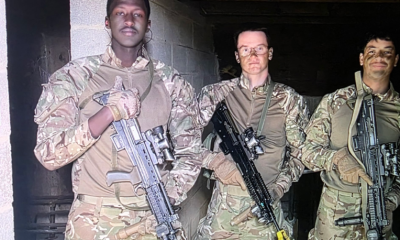
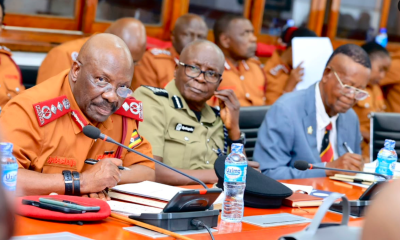
Nigeria is to raise military salaries upto as much as 80% from next month in the second pay increase for soldiers within a month as President Bola Tinubu’s government seeks to improve troop welfare amid persistent security threats.
The new salary structure will take effect on 1 September 2026 according to the Nigerian presidency.
The biggest increase will go to lower-ranking personnel with privates through staff sergeants receiving an 80% pay rise.
Warrant officers through colonels will receive a 50% increase, while generals will get a 30% increase.
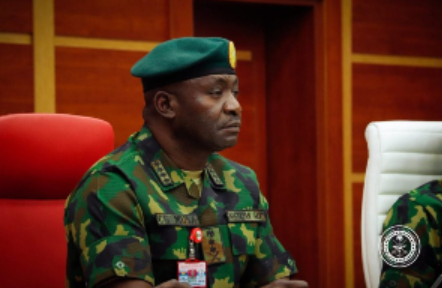
The announcement was made by presidential adviser Bayo Onanuga, who said the decision reflected the government’s appreciation for members of the armed forces confronting the country’s security challenges.
This announcement represents the second increase in military pay within a month.
The latest adjustment is part of a broader attempt by the Tinubu administration to improve conditions for members of the armed forces who are deployed across several parts of Nigeria to tackle armed groups and criminal networks.
The government says better pay and welfare are necessary to maintain morale among troops serving in difficult and sometimes dangerous conditions.
The new increases will also significantly increase the government’s wage bill for the armed forces.
Nigeria’s annual military wage bill is expected to rise from about 660bn naira to 924bn naira following the adjustment.
Nigeria has faced a prolonged security crisis involving several armed groups.
The north-west has experienced widespread banditry and kidnappings while parts of the north-central region have also been affected by armed violence and criminal gangs.
The south-east has faced separatist-linked violence and attacks on security personnel.
The government has therefore expanded military deployments and increased spending on security equipment and operations.
President Tinubu has repeatedly made security a central priority of his administration arguing that economic development will be difficult without greater stability.
This structure of the new pay package means that junior personnel will receive the largest percentage increase.
That is significant because lower-ranking soldiers often form the bulk of troops deployed on frontline operations.
Government says the structure is intended to strengthen troop welfare while recognising the demands placed on personnel serving in difficult environments.
The pay increase comes alongside wider efforts to modernise Nigeria’s armed forces.
The government has been investing in military equipment and expanding operations against insurgents, kidnappers and bandits.
An official government progress report published in May said security forces had rescued thousands of kidnapping victims and arrested suspected terrorists and criminals, while the military had also received new equipment and refurbished armoured vehicles.
Government has also highlighted the surrender of fighters from Boko Haram and ISWAP as part of its recent security efforts.
But the persistence of attacks means the security situation remains a major challenge.
The pay rise could help improve morale among soldiers particularly those serving in areas where troops face prolonged deployments and serious risks.
The country is dealing with several different forms of insecurity, ranging from ideological insurgency to criminal kidnapping and banditry.
These threats require intelligence, equipment, effective policing and military coordination, as well as efforts to address the economic and political conditions that allow armed groups to operate.
The government has nevertheless presented improved military welfare as an important part of its security strategy.
The increase will place additional pressure on Nigeria’s public finances.
The military wage bill is expected to increase by roughly 264bn naira annually, according to figures reported following the announcement.
That comes as the government is also attempting to implement economic reforms aimed at increasing revenue and stabilising public finances.
President Tinubu’s administration has faced criticism over the economic hardship associated with reforms introduced since he took office including the removal of the petrol subsidy and changes to the foreign-exchange system.
Against that backdrop, the government will have to balance the cost of improving military welfare with other competing demands on the national budget.