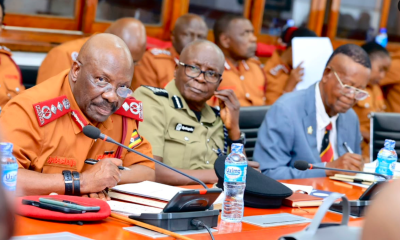
Parliament of Uganda has questioned the country’s electricity distributor over delays in connecting hundreds of thousands of customers who say they paid for power connections before the government took over the network from Umeme.
Members of Parliament have demanded answers from the Uganda Electricity Distribution Company Limited (UEDCL) over what they describe as a major backlog in new electricity connections.
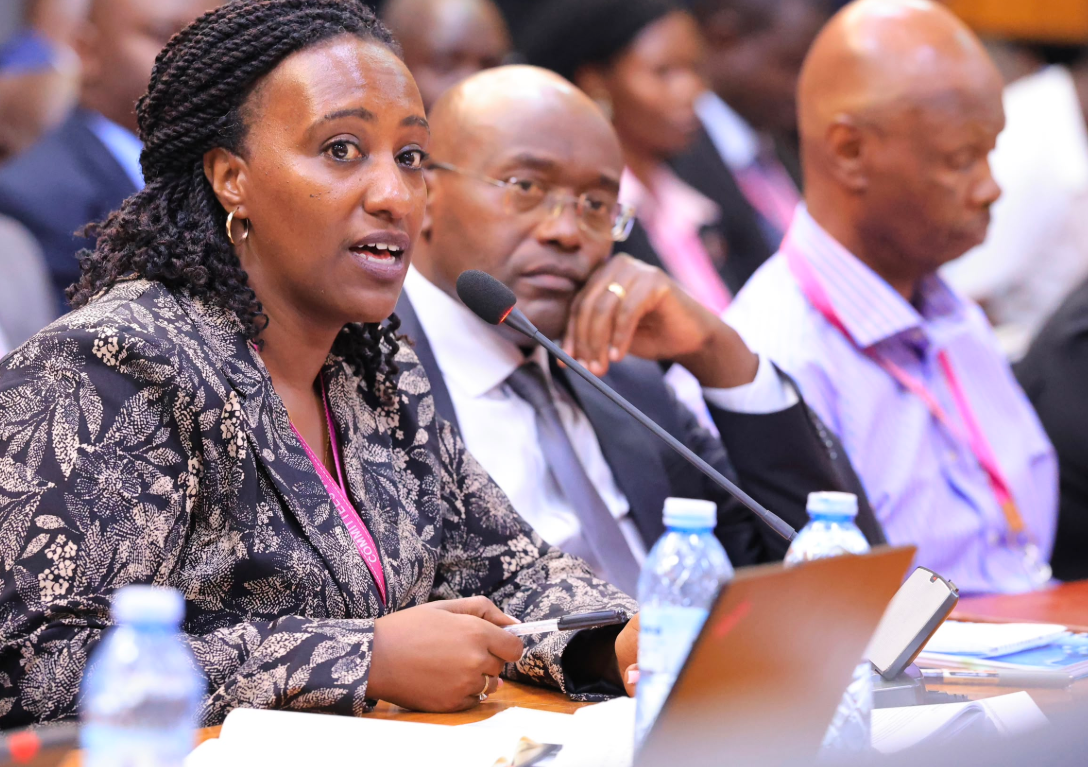
The Public Accounts Committee (Central) heard that more than 400,000 Ugandans who had paid Umeme for electricity connections had still not been connected after UEDCL assumed responsibility for electricity distribution.
Committee chairman Patrick Nsamba raised the issue during a meeting with UEDCL officials questioning why customers who had already paid for a service were still waiting for their connections.
The acting UEDCL managing director, Joselyn Rwakakooko, attributed the delays to a combination of funding constraints, maintenance problems and delays in procuring electricity meters.
She said some electricity substations inherited from Umeme required maintenance, while procurement delays had affected the availability of meters needed to connect new customers.
The delays come about 16 months after UEDCL took over Uganda’s electricity distribution network from Umeme.
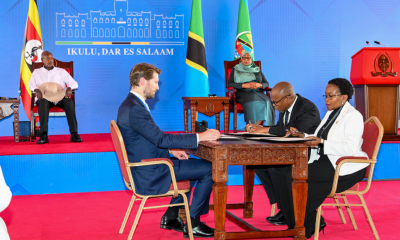
On 31 March 2025, Umeme formally handed over its distribution assets to UEDCL, ending its 20-year concession and returning control of the country’s electricity distribution system to the government.
UEDCL had been preparing for the transition for several years and assumed responsibility for operating and maintaining the network following the handover.
The government said the change was intended to strengthen public control of the electricity distribution system, improve service delivery and support wider access to electricity.
At the time of the transition, the government assured customers that existing applications would not be lost.
It said customers who had already paid connection fees would not have to pay again and that pending applications would be handled on a first-come, first-served basis, with UEDCL initially targeting completion within the first 100 days.
The current backlog suggests that the process has taken considerably longer than initially expected.
UEDCL says the problem is not simply a question of connecting individual homes.
The company inherited a large distribution network from Umeme and became responsible for maintaining infrastructure while simultaneously expanding connections.
Its acting managing director told MPs that limited funding for maintenance of some substations had affected the company’s ability to provide new connections.
The procurement of electricity meters has also been a major obstacle.
Without the necessary meters and associated equipment, completed applications cannot easily be converted into active electricity connections.
The government has acknowledged that procurement delays have affected electricity services since the transition.
In May, Energy Minister Ruth Nankabirwa said reports from UEDCL’s management and the Auditor General had highlighted gaps in service access, with some applications remaining unserved because of procurement delays and challenges involving local suppliers.
Permanent Secretary in the Ministry of Energy and Mineral Development Irene Batebe told the committee that the government was working with the Public Procurement and Disposal of Public Assets Authority (PPDA) to shorten procurement cycles for essential equipment.
The aim is to allow UEDCL to obtain meters and other critical materials more quickly.
That could help reduce the backlog, although the government has not indicated exactly how long it will take to connect all the customers identified by the committee.
The issue is particularly important for households and businesses that have already paid for electricity connections and may have made those payments expecting to receive power within a reasonable period.
For many Ugandans, gaining access to electricity is not simply about convenience.
Electricity can determine whether a small business can operate after dark, whether a household can access refrigeration and communication services, and whether schools and health facilities can use essential equipment.
UEDCL’s official mandate includes developing, owning and operating Uganda’s electricity distribution network at 33kV and below. It also implements government-funded grid-extension projects in selected rural areas.
The company is currently responsible for eight service territories across the country.
The government’s broader objective is to expand access while keeping electricity reliable and affordable.
But MPs’ concerns suggest that the transition from private concessionaire to state-controlled distributor has exposed operational challenges that must be addressed if those ambitions are to be achieved.
The controversy over delayed connections is one of the clearest tests yet of the government’s decision to bring electricity distribution back under public control.
The handover from Umeme was presented as an opportunity for the state to take greater control of a strategically important utility.
But UEDCL must now demonstrate that it can maintain the inherited network, procure equipment efficiently and respond to customers who have already paid for services.
Parliament is now seeking answers from UEDCL and the Energy Ministry, while the government says it is working to shorten procurement processes and address the equipment shortages blamed for the delays.