Ministry of Public Service is seeking Shs308bn ($83m) to establish 19 zonal service centres designed to bring several government services under one roof, officials have told Parliament.
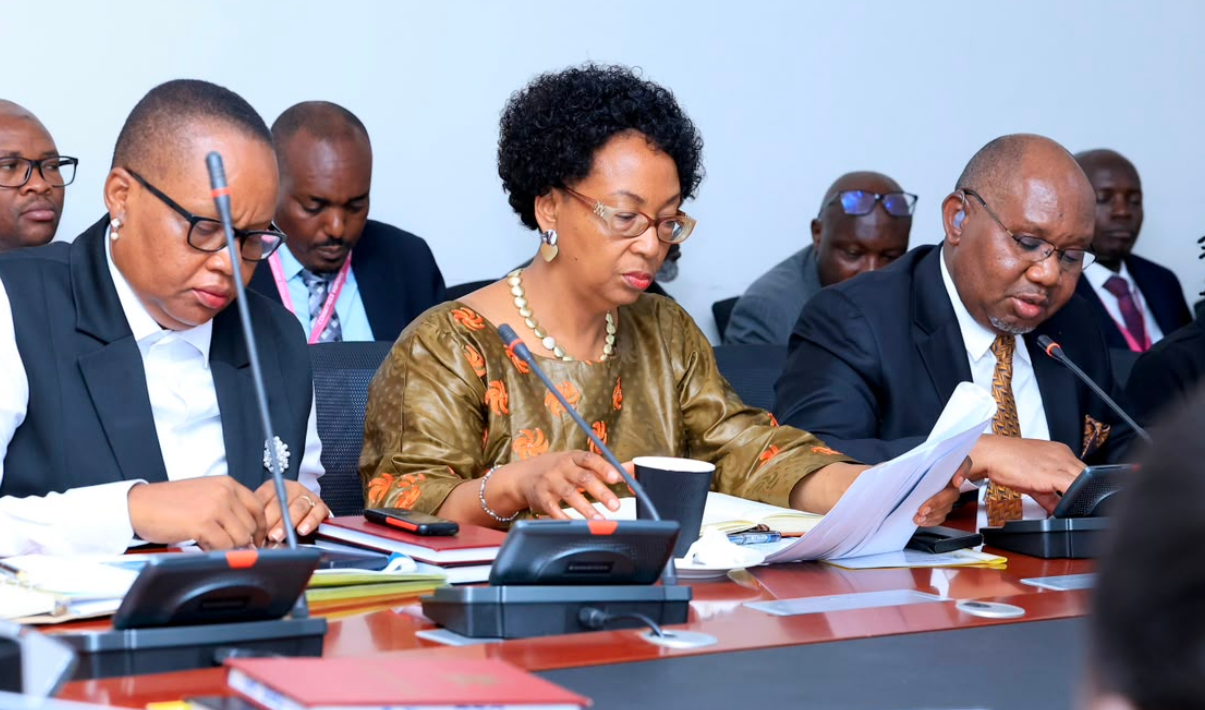
Permanent Secretary Catherine Bitarakwatetold Parliament’s Committee on Public Service that the proposed centres would help decentralise access to government services and reduce the need for citizens to travel to Kampala to complete basic transactions.
The centres are expected to use existing Posta Uganda infrastructure as part of the government’s plan to create one-stop points where citizens can access services from different public institutions.
Among the services expected to be available are passport and driving permit applications, tax assessment, payroll updates and pension verification.
The proposal comes as the government seeks to overhaul how citizens interact with public institutions, particularly those who currently have to visit several offices to complete a single process.
Ministry of Public Service has been developing the Service Uganda Centres programme as part of efforts to make public services more accessible and citizen-focused.
The ministry says the reform is intended to reduce long queues, unnecessary movement between government offices, delays and the costs associated with accessing public services. It also aims to reduce opportunities for corruption by limiting the number of direct interactions between service providers and citizens.
Government has already begun work towards establishing regional centres in Kampala, Mbarara, Gulu and Tororo, according to the Ministry of Public Service.
The proposal would give Posta Uganda infrastructure a new role in public service delivery.
Rather than citizens travelling to separate offices for different services, the planned centres would bring several transactions together at a single location.
This could include services linked to identification and travel documents, driving permits, taxation and public-sector employment and pension records.
The idea is to make government services more accessible outside Kampala, particularly for people living in distant districts who currently face additional transport and administrative costs.
Ministry of Public Service says its broader objective is to provide multiple government services in a single space, making access quicker and more affordable.
Proposed centres are part of a wider move towards digitising government administration.
The ministry already operates systems that allow government institutions to access electronic human-resource and payroll services.
Its Integrated Personnel and Payroll System for example, supports payroll management, pension management and other human-resource functions across ministries, departments, agencies and local governments. The ministry says 242 institutions use the system, while some access it through regional support centres.
The new Service Uganda Centres are intended to build on this approach by making more public services available closer to citizens.
Ministry of Public Service says Cabinet approved the rollout of 19 zonal Service Uganda Centres as part of the government’s efforts to improve service delivery.
In June, the ministry held a sensitisation and engagement workshop to discuss the establishment and operationalisation of the centres, including staffing, operational guidelines, stakeholder responsibilities and budget requirements.
The latest request for Shs308bn therefore represents a major step in turning the planned network into functioning facilities.
However, the proposal will have to go through the parliamentary budget process before the requested funds can be released.
Supporters of the programme argue that decentralising government services could save citizens time and money.
For someone living outside Kampala, obtaining a passport, resolving a pension issue or completing a tax-related transaction can involve travel, accommodation and time away from work.
Government also expects the centres to improve transparency and reduce corruption by simplifying procedures and limiting unnecessary interactions between officials and service users.
But the size of the proposed investment means Parliament will also have to examine whether the Shs308bn request represents value for money and how the centres will be maintained once established.
Questions around staffing, digital connectivity, equipment and coordination between government agencies will also be important if the centres are to deliver the promised services.
The Ministry of Public Service is now seeking parliamentary support for the Shs308bn investment.
If approved, the money would finance the establishment of the 19 zonal centres and support the government’s wider effort to move public services closer to citizens.
For Ugandans, the success of the programme will ultimately be measured not by the number of centres built, but by whether people can obtain essential government services faster, more cheaply and with fewer bureaucratic hurdles.
The proposal now moves into the parliamentary scrutiny and budget process, where lawmakers will determine whether the government’s ambitious service-delivery plan deserves the requested funding.